
Inside the ProDentim Formula: Three Strains, Four Helpers, and the Questions the Label Doesn't Answer
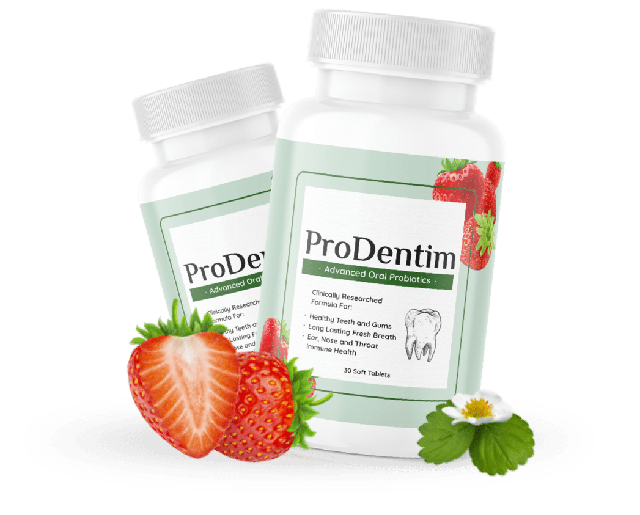
Short labels tell you more than long ones. ProDentim's entire disclosed formula is seven ingredients — three probiotic strains carrying a combined 3.5 billion CFU, plus four plant and mineral helpers. No caffeine, no herbal kitchen sink. This page walks through each ingredient the way a skeptical friend would: what it is, why it's here, what independent studies actually found, and where the label goes quiet.
The Whole Label in One Table
| Ingredient | Type | Disclosed amount | Claimed job |
|---|---|---|---|
| Lactobacillus reuteri | Probiotic | 3.5 billion CFU combined | Calm gum irritation, healthy mouth environment |
| Lactobacillus paracasei | Probiotic | Gum support, sinus comfort | |
| Bifidobacterium lactis BL-04® | Probiotic | Bacterial balance, immune support | |
| Inulin | Prebiotic fiber | Proprietary blend — amounts undisclosed | Fuel for the good bacteria |
| Malic acid | Fruit acid | Whiteness maintenance, saliva flow | |
| Tricalcium phosphate | Mineral | Enamel and tooth support | |
| Peppermint | Botanical | Fresh breath, mild antibacterial |
Format: soft chewable tablet, 30 per bottle. The maker flags it non-GMO, gluten-free, stimulant-free and non-habit-forming. Cross-check the panel yourself in the NIH Dietary Supplement Label Database — the U.S. government's public label archive.
Lactobacillus reuteri — the Anchor

If the formula has a star, it's this one. Dentistry has tested L. reuteri more than any other probiotic — mostly as lozenges, chewed or dissolved in the mouth, which is precisely the delivery ProDentim copies. Across those studies (work summarized in Frontiers in Microbiology, 2018, among others), consistent daily use over several weeks tracked with reduced gingival inflammation and plaque. One industry-covered 2019 study even suggested inactivated reuteri cells might retain part of the benefit.
The catch worth knowing: those trials ran on defined doses of specific reuteri strains. ProDentim discloses neither its reuteri strain code nor its individual share of the 3.5 billion CFU — so the research supports the species and the format, not this exact bottle.
Lactobacillus paracasei — the Gum Specialist

A lactic-acid bacterium you've eaten in fermented dairy without knowing it. In the oral context, industry-reported research found a paracasei strain suppressed the bacteria implicated in cavities and gum trouble — the study NutraIngredients covered back in 2014. Its separate research thread on sinus comfort is where ProDentim's sinus claims originate. Solid species, long food-safety record; same transparency gap as above — no strain code on the label.
Bifidobacterium lactis BL-04® — the Named One

The only ingredient identified to the exact strain — BL-04® is a trademarked, heavily characterized commercial strain used across mainstream probiotic products, studied mainly for immune function and microbiome balance. Its genus has real dental credentials too: a randomized trial in the Journal of Clinical Periodontology found a Bifidobacterium probiotic improved outcomes when added to standard periodontitis treatment. Note the framing — added to professional treatment. Nobody has shown a chewable replacing the dentist, and ProDentim can't legally claim to.
The Four Helpers
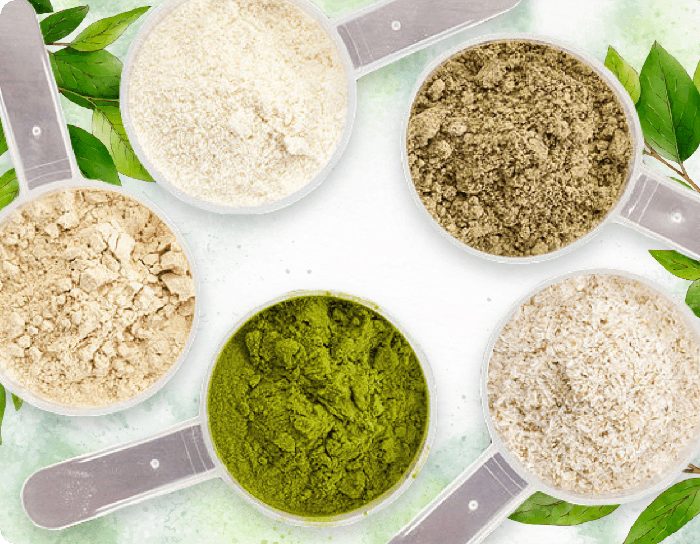
Inulin is the logistics of the formula — a plant fiber the incoming strains feed on, the standard "synbiotic" pairing reviewed in the International Food Research Journal. Malic acid, highlighted by the maker for its strawberry origin, stimulates saliva (your mouth's built-in defense system) and helps with surface-stain management — maintenance, not whitening. Tricalcium phosphate belongs to the calcium-phosphate family that premium toothpastes use for enamel remineralization support; in a chewable that sits against your teeth, its inclusion is sensible. Peppermint earns its slot twice — the obvious freshness, plus lab evidence (Arak University journal, 2020) that its essential oil inhibits certain periodontal pathogens in vitro.
What You're Not Told
- Per-strain CFU counts — 3.5 billion is a combined figure only
- Strain codes for reuteri and paracasei (only BL-04® is named)
- Milligram amounts for all four helper ingredients, which live in a proprietary blend
- Any clinical trial on the finished product — the evidence above is all ingredient-level
None of this is unusual for the supplement industry, and none of it is a scandal. But these are exactly the questions a careful buyer should hold in mind, so we list them instead of glossing over them.
Our Formula Read
This is a coherent oral-microbiome design rather than a random herb pile: three species with genuine dental literature (one at trademark strain level), a prebiotic to help them settle, and three practical oral-care nutrients — delivered in the chewable format the supporting research actually used. The deductions are transparency deductions. Expect support; don't expect treatment.
See the Full Label at the Official Checkout →
Official checkout · 60-day money-back guarantee
Continue the Handbook
Sources
- Mu Q, Tavella VJ, Luo XM. "Role of Lactobacillus reuteri in Human Health and Diseases." Frontiers in Microbiology, 2018.
- Invernici MM, Salvador SL, et al. "Effects of Bifidobacterium probiotic on the treatment of chronic periodontitis: A randomized clinical trial." Journal of Clinical Periodontology.
- Daniells S. "Probiotic Lactobacillus paracasei shows oral health benefits: Study." NutraIngredients, 2014.
- Daniells S. "Live or dead reuteri bacteria may offer oral health benefits: Study." NutraIngredients-LATAM, 2019.
- Schlagenhauf U, Jockel-Schneider Y. "Probiotics in the Management of Gingivitis and Periodontitis — A Review." Frontiers in Dental Medicine, 2021.
- Miremadi F, Shah NP. "Applications of inulin and probiotics in health and nutrition." International Food Research Journal, 2012.
- Rezaie E, Bayani M, Arjomandzadegan M. "The inhibitory and antibacterial effects of peppermint essential oil on periodontal pathogens." Journal of Arak University of Medical Sciences, 2020.
- NIH Office of Dietary Supplements — Dietary Supplement Label Database.